

Quick answer: what are cannabis terpenes?
Terpenes are the aromatic compounds in cannabis responsible for its smell and flavour. But they go far beyond aroma: they also influence the effect of each strain. A strain that smells of lemon tends to be more energising; one that smells of earth or spice tends to be more relaxing. Understanding terpenes is the most practical way to choose a strain at the club with real confidence, beyond just looking at the THC percentage.
Have you ever walked up to the counter at a cannabis social club in Seville and felt immediately drawn to one strain over another just because of how it smelled? That instinct has a scientific basis: terpenes. They are the compounds that give each strain its aromatic character, and they also shape, alongside THC and CBD, the final effect you experience.
In this article we explain what the most common terpenes are in Seville’s cannabis clubs, how to recognise them by smell and what that aroma can tell you about the experience ahead. No unnecessary jargon, and with both feet firmly planted in our city.
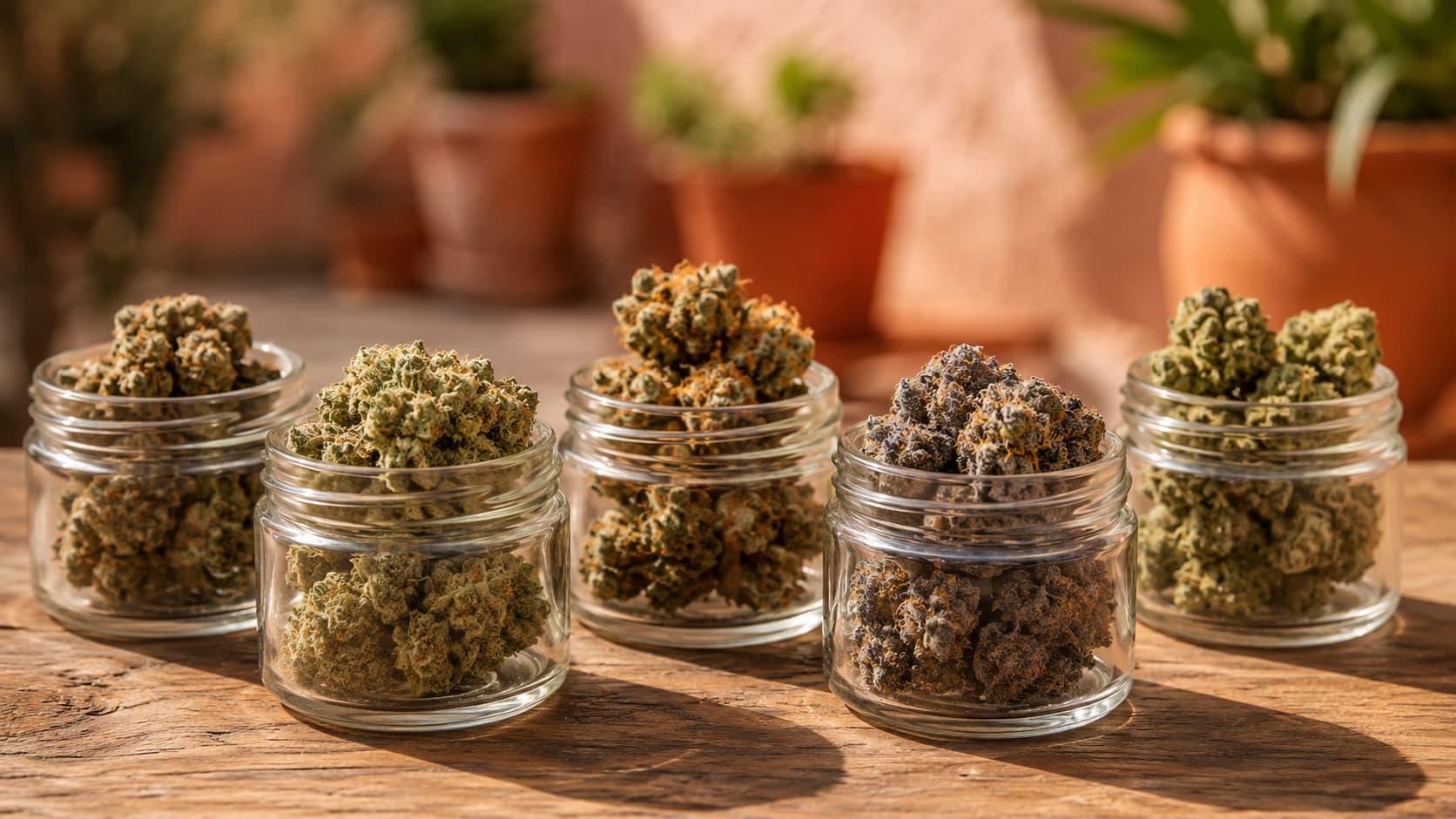
What exactly are terpenes?
Terpenes are organic molecules found in hundreds of plants, from pine trees to mangoes and lavender. They are not unique to cannabis: they are responsible for the smell of citrus fruits, aromatic herbs and tree resin. In the cannabis plant, they are produced in the same glands that generate THC and CBD, and their profile varies according to the strain’s genetics, growing conditions and the moment of harvest.
Until recently, the distinction between sativa and indica was the main reference point for choosing a strain. Today we know that classification is useful but incomplete: two strains with the same THC percentage can produce very different effects precisely because of their terpenes. This is what is known as the entourage effect: the synergy between cannabinoids and terpenes produces an experience different from what each would give on its own.
There is something particularly interesting in the Seville context: the city’s warm, dry climate favours the preservation of aromatic profiles during the curing process. The high temperatures and low relative humidity that characterise our city are, paradoxically, conditions that post-harvest experts consider ideal for keeping the most volatile terpenes intact.
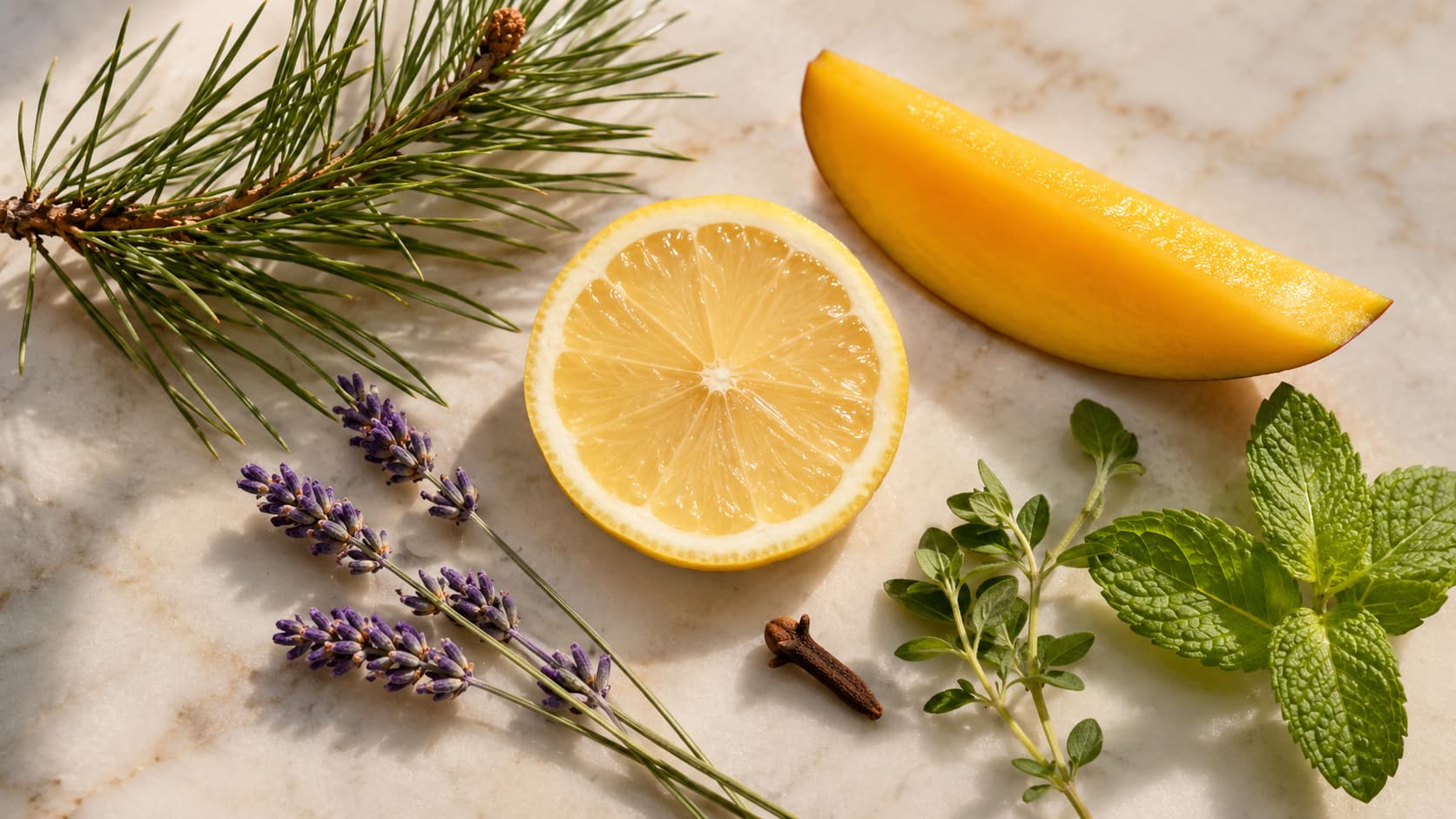
The most common terpenes and what they tell you about a strain
These are the terpenes you’ll most frequently encounter in the strains available at Seville’s cannabis social clubs. Recognising them by smell is simpler than you might think:
Limonene
Aroma: citrus, lemon, orange
Myrcene
Aroma: earthy, tropical fruit, musky
Linalool
Aroma: floral, lavender, soft
Pinene
Aroma: pine, fresh wood, resin
Beta-caryophyllene
Aroma: spicy, pepper, clove
Terpinolene
Aroma: floral, citrus, fresh herbal
How to use smell to choose better at the club
Next time you reach the counter, before asking about the THC percentage, try paying attention to the aroma. It is a quick and reliable indicator of a strain’s terpene profile, and that gives you valuable information about what kind of experience to expect.
If you pick up citrus or fruity notes (lemon, orange, mango), the strain likely has limonene or terpinolene as its dominant terpenes. That usually translates into a more uplifting and active effect, well suited to an afternoon at the club with good conversation and music, or for heading out to explore the Barrio de Santa Cruz afterwards.
If the aroma is more earthy, woody or spicy (damp soil, pepper, resin), myrcene or beta-caryophyllene are probably leading the profile. That type of strain tends to be more relaxing and physical, perfect for unwinding after a long day under the Sevillian sun or for a quiet afternoon at the club’s facilities.
And if the smell reminds you of flowers or lavender, you’re looking at linalool: a strain with a calmer profile that softens the effect of THC and is particularly pleasant for those who are more sensitive or looking for a gentler experience.
Of course, most strains have complex terpene profiles where several coexist. The team at Green City can walk you through the profile of each available strain so you can choose with more insight, beyond the name or the number.

The entourage effect: why cannabis is more than just THC
One of the things that surprises members most when they start exploring the cannabis world is discovering that THC doesn’t explain everything. Two strains with the same THC percentage can produce radically different experiences, and the reason lies in the full profile of terpenes and cannabinoids working together.
This phenomenon, known as the entourage effect, was first described by Israeli researchers Shimon Ben-Shabat and Raphael Mechoulam in the late 1990s and has been the subject of growing research ever since. The idea is straightforward: the components of cannabis work better together than in isolation. CBD, THC, linalool, myrcene and the rest of the compounds interact synergistically, modulating and enriching the final effect.
This has a very practical implication: focusing solely on THC to choose a strain is like judging a Sevillian dish purely by its temperature. Context matters, and terpenes are a large part of that context.
Want to know the terpene profile of the strains available at Green City?
Join Seville’s reference cannabis club, with over 10 years of history and 4.9 stars on Google.
Frequently asked questions about cannabis terpenes in Seville
Why does every cannabis strain smell different?
Because each strain has a different terpene profile. Terpenes are the aromatic compounds in cannabis, the same ones that give lemon, pine or lavender their smell. Depending on which ones dominate a strain, the aroma will be more citrusy, more earthy, more floral or more spicy. Genetics, growing conditions and the curing process all determine that final profile.
Do terpenes affect the effect of cannabis?
Yes, and it is one of the most fascinating aspects of modern cannabis. Terpenes interact with THC, CBD and other cannabinoids in a synergistic way, modulating the final effect. This is what is known as the entourage effect. That is why two strains with the same THC percentage can produce very different experiences: terpenes make the difference.
Which terpene is most relaxing?
Myrcene is the terpene most frequently associated with relaxing and sedating effects. It has an earthy, fruity aroma and is very present in indica-profile strains. Linalool, with its floral aroma similar to lavender, also has calming and anxiolytic properties. Both are good indicators that a strain may help you unwind at the end of the day.
Which terpene is most energising?
Limonene and pinene are the terpenes most associated with stimulating and active effects. Limonene has a clearly citrusy aroma and is linked to mood improvement. Pinene, with its pine and fresh wood scent, is associated with mental alertness and focus. If you pick up these aromas in a strain, it is likely to be better suited to daytime use or social activities.
Does Seville’s climate influence cannabis terpenes?
Indirectly, yes. The dry heat and low relative humidity of Seville’s climate are favourable conditions for preserving the most volatile terpenes during the curing and storage process. Terpenes evaporate with excessive heat and high humidity, so a controlled, dry environment helps maintain each strain’s aromatic profile intact.