

If you’re thinking about becoming a member of a cannabis club in Seville or you’re already part of our community at Green City, you’ve probably heard about CBD and THC more times than you can count. But do you really know the difference between these two cannabinoids? Which should you choose depending on what you’re looking for?
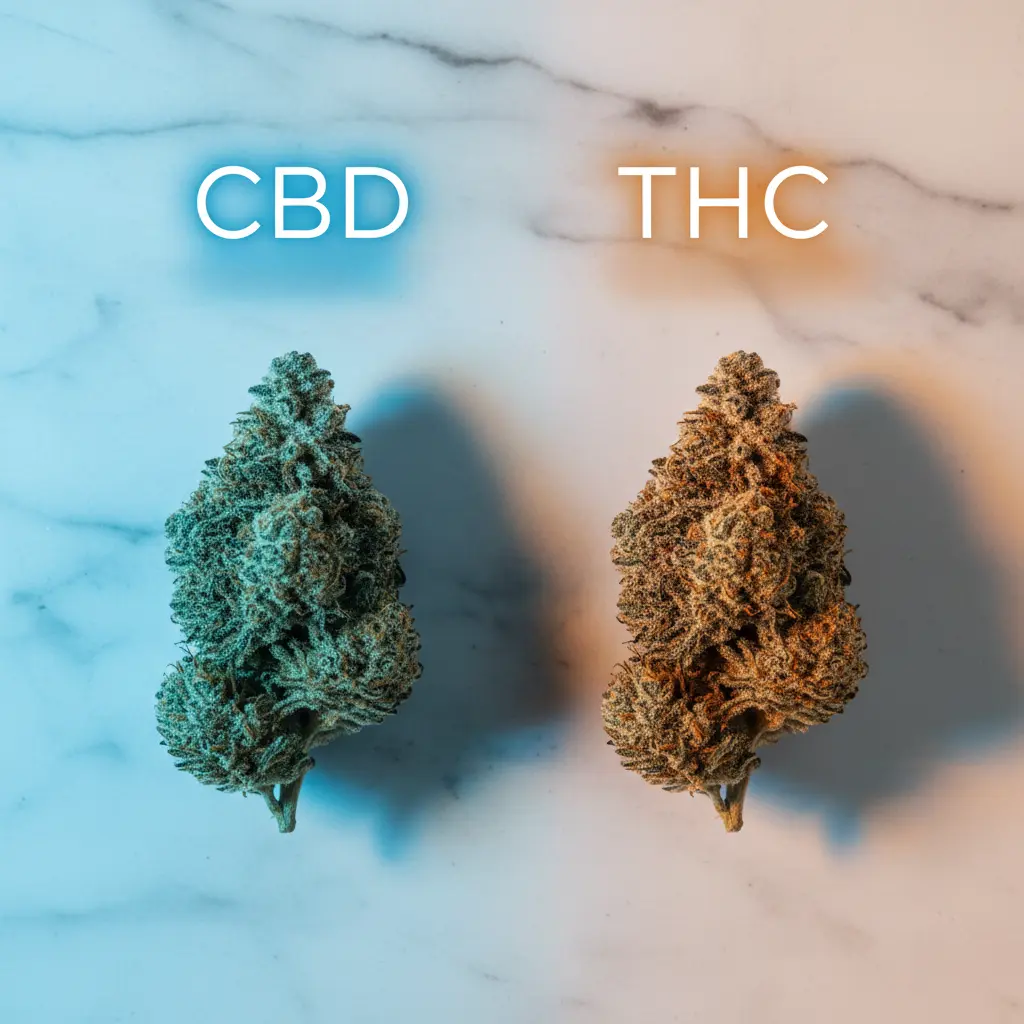
At Green City, we’ve been advising members about cannabis strains for over 10 years, and one of the most frequent questions we hear at our club is exactly this: “What’s the difference between CBD and THC?”
This practical guide explains everything clearly, without unnecessary technical jargon, so you can make informed decisions about your consumption.
What CBD and THC are: The basics You need to know
First the first things, let’s see what are exactly. Both CBD (cannabidiol) and THC (tetrahydrocannabinol) are cannabinoids, meaning they’re natural chemical compounds produced by the cannabis plant. In fact, the plant produces over 100 different cannabinoids, but these two are the most abundant and the most scientifically studied.
The fundamental difference: THC is psychoactive (gets you high), CBD is not.
This means when you consume a high-THC strain, you’ll experience that characteristic euphoric effect of cannabis. On the other hand, if you consume pure CBD or strains with high CBD and low THC, your head will remain completely clear.
Same chemical formula, totally different effects
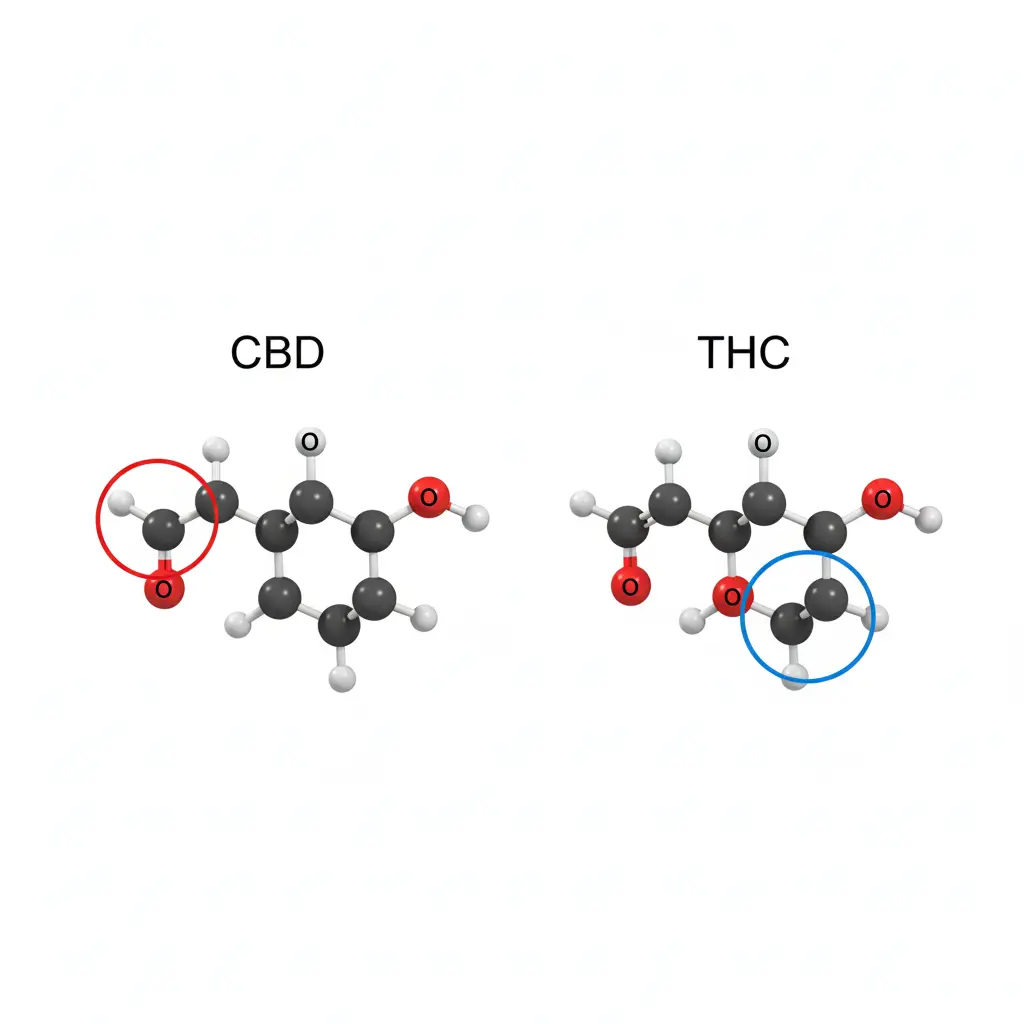
Here’s the interesting part: CBD and THC have exactly the same molecular formula (21 carbon atoms, 30 hydrogen atoms, and 2 oxygen atoms), but their atomic structure is different.
Think of them as two keys made from the same material but with different shapes. THC has a “closed ring” molecular structure, while CBD has an “open ring.” This small structural difference makes them interact completely differently with your brain’s receptors.
How they work in your body: The Endocannabinoid system
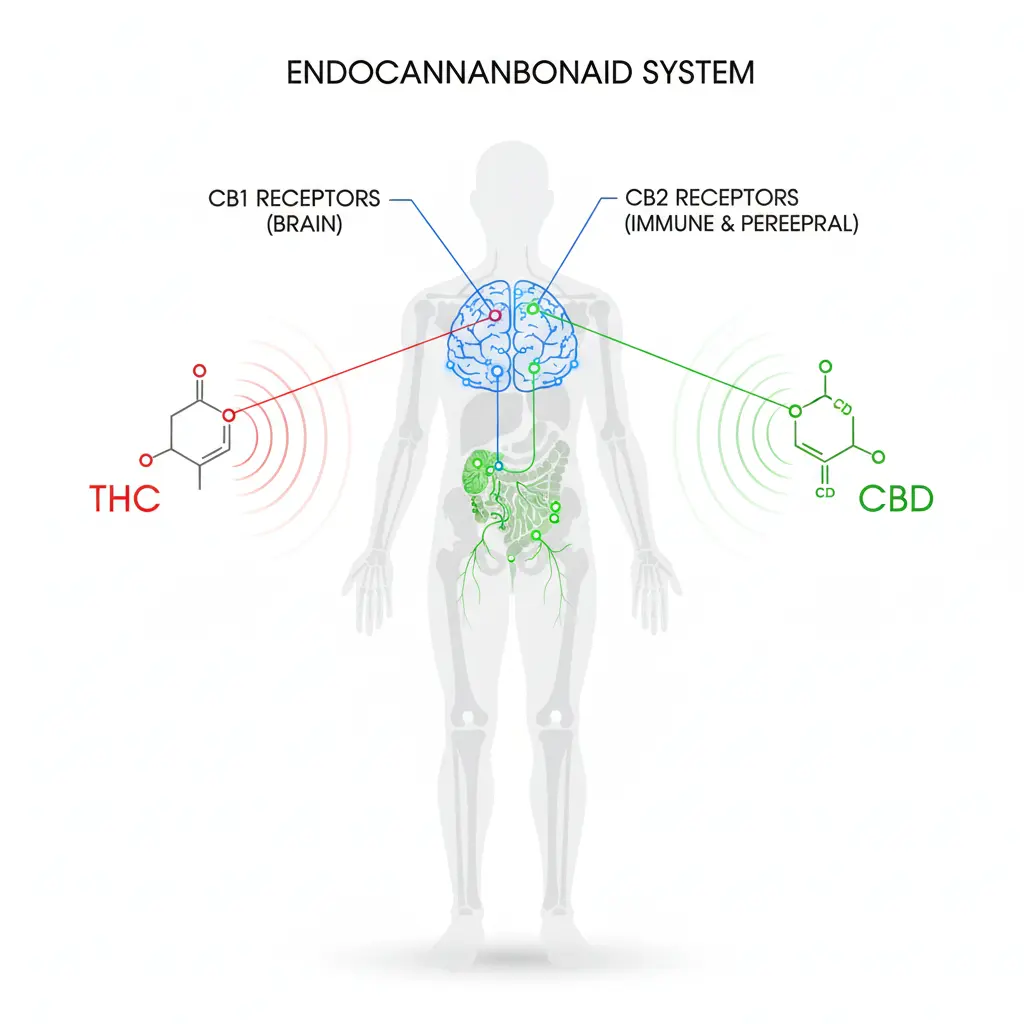
To truly understand the difference between CBD and THC, you need to know how your endocannabinoid system (ECS) works. All human beings have this system, which regulates functions like pain, mood, appetite, and sleep.
The ECS has two main types of receptors:
- CB1 receptors: located primarily in the brain and central nervous system
- CB2 receptors: distributed throughout the immune system and peripheral tissues
THC: Direct connection
THC binds directly to CB1 receptors in your brain. This binding is responsible for:
- The feeling of euphoria (the “high”)
- Alterations in time perception
- Increased appetite (the famous “munchies”)
- Changes in mood
- In some people: anxiety or paranoia (especially with high doses)
CBD: The modulator
CBD doesn’t bind directly to CB1 receptors. Instead, it acts as a modulator that influences how your entire endocannabinoid system responds. That’s why:
- It doesn’t alter your perception or mental clarity
- It can reduce THC’s psychoactive effects when consumed together
- It provides therapeutic benefits without the “high”
In fact, when at Green City we recommend a strain balanced in CBD and THC, what we’re doing is leveraging this interaction so you can enjoy the benefits of both cannabinoids without overwhelming effects.
Effects and benefits: What’s each one for?
THC: Beyond the high
Although THC is famous for its recreational effects, it also has recognized therapeutic properties:
Pain relief: especially effective for chronic pain.
Appetite stimulant: useful in patients with weight loss.
Anti-inflammatory: reduces muscle and joint inflammation.
Muscle relaxant: helps with spasms and tension.
Sleep improvement: facilitates rest in people with insomnia.
Antiemetic: reduces nausea (used in chemotherapy).
When to choose high-THC strains?
- You’re looking for deep relaxation at the end of the day.
- You want to mentally disconnect.
- You suffer from insomnia.
- You need to stimulate appetite.
- You’re seeking intense pain relief.
CBD: The therapeutic Cannabinoid
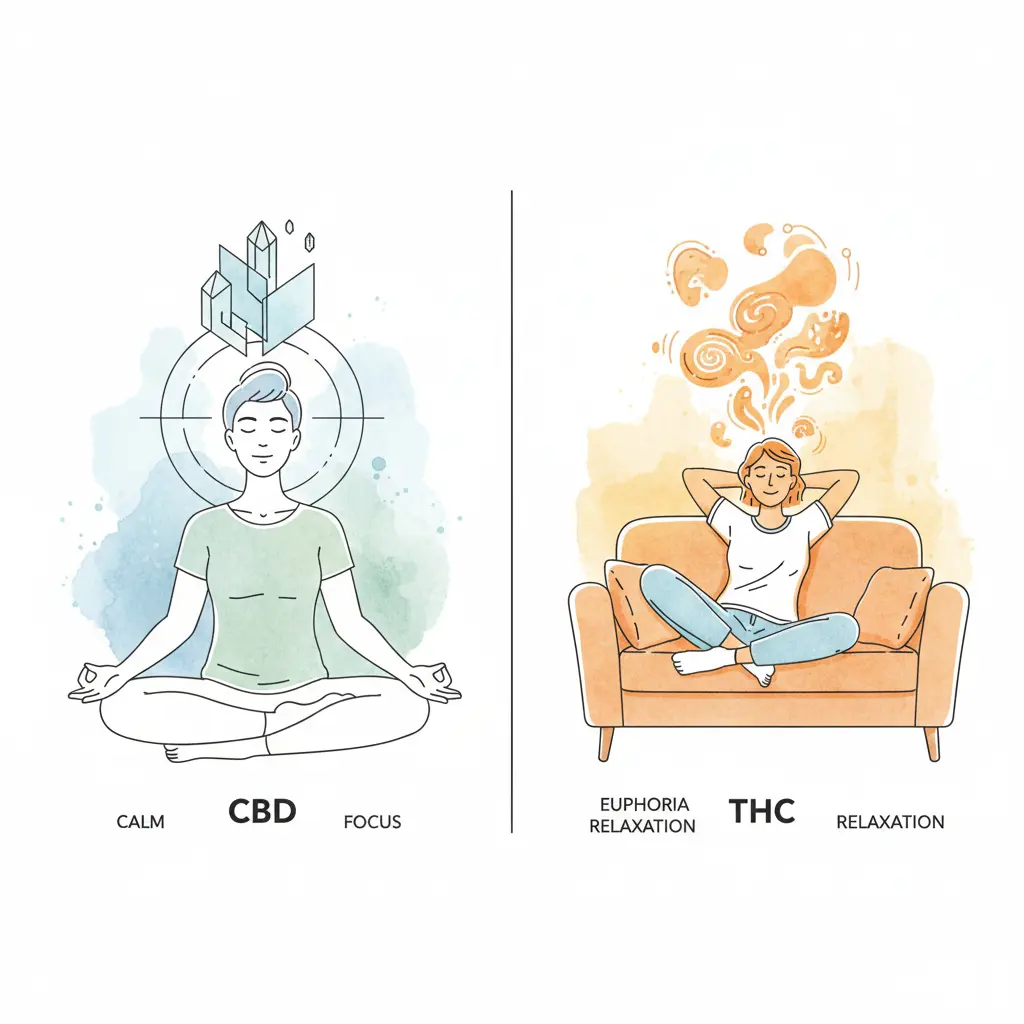
CBD has gained worldwide popularity precisely because it provides benefits without altering your cognitive ability:
Anxiolytic: reduces anxiety and stress levels.
Anti-inflammatory: fights inflammation without side effects.
Anticonvulsant: effective in refractory epilepsy.
Neuroprotective: protects brain cells.
Antioxidant: increasingly used in cosmetics.
Improves concentration: without psychoactive effects.
Reduces THC effects: moderates the “high” if you combine them.
When to choose high-CBD strains?
- You need to function with clarity during the day.
- You’re seeking anxiety relief without mental alterations.
- You suffer from pain or inflammation.
- You want to try cannabis but worry about getting “high”.
- You’re a beginner and want to start gently.
The entourage effect: Better together than apart
One of the most important concepts we share with our members at Green City is the entourage effect.
What does this mean? That cannabinoids work better together than isolated. When you consume a cannabis strain containing CBD, THC, and other minor cannabinoids, they all work in synergy, enhancing benefits and reducing adverse effects.
Practical example:
If you consume a strain with a 1:1 ratio of CBD:THC (for example, 10% THC and 10% CBD), the CBD will act as a THC antagonist. This means:
- You’ll feel THC’s therapeutic effects
- But CBD will “brake” the intensity of the high
- You’ll reduce the likelihood of anxiety or paranoia
- You’ll enjoy a more balanced experience
That’s why at our cannabis club in Seville we always have strains with different CBD:THC ratios. There’s no universally “perfect” strain, but the perfect strain for you depending on what you’re looking for at each moment.
Where do CBD and THC come from?
Although both cannabinoids come from the Cannabis sativa plant, there are important differences:
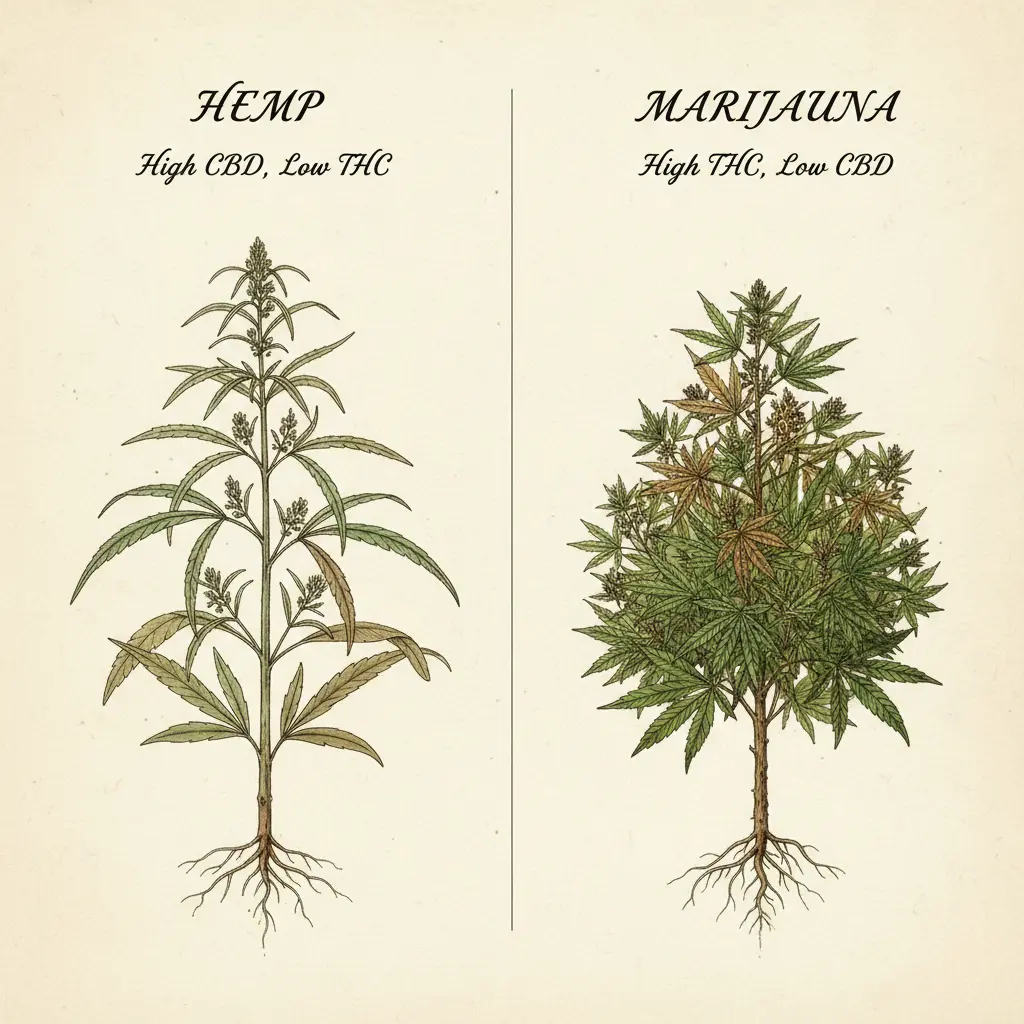
CBD: The Hemp Cannabinoid
CBD is mainly extracted from industrial hemp, which is a variety of cannabis with:
- Less than 0.3% THC (legal in most countries)
- High levels of CBD (10-20% or more)
- Cultivated specifically for fiber, seeds, and CBD extraction
That’s why CBD products (oils, creams, edibles) are legal in many places where recreational cannabis isn’t.
THC: The Marijuana Cannabinoid
THC is found in higher concentrations in marijuana, which are cannabis varieties:
- Selectively bred to maximize THC
- With levels ranging from 15% to 30% or more in modern genetics
- Regulated by specific legislation depending on each country
In Spain, thanks to the Cannabis Social Clubs model, members can access controlled, quality strains in a legal and safe environment.
CBD – THC Ratios: How to choose the right strain
At Green City, we categorize our strains according to their CBD:THC ratio to make your choice easier:
1. High-THC Strains (1:0 Ratio)
- Example: 20% THC, 0.5% CBD
- Effect: Intense psychoactive, recreational
- For: Experienced users, nighttime use, deep relaxation
- Popular strain: Strains we offer at the club
2. Balanced Strains (1:1 Ratio)
- Example: 10% THC, 10% CBD
- Effect: Moderate psychoactivity, more control
- For: Late-day use, intermediate users, therapeutic benefit with clarity
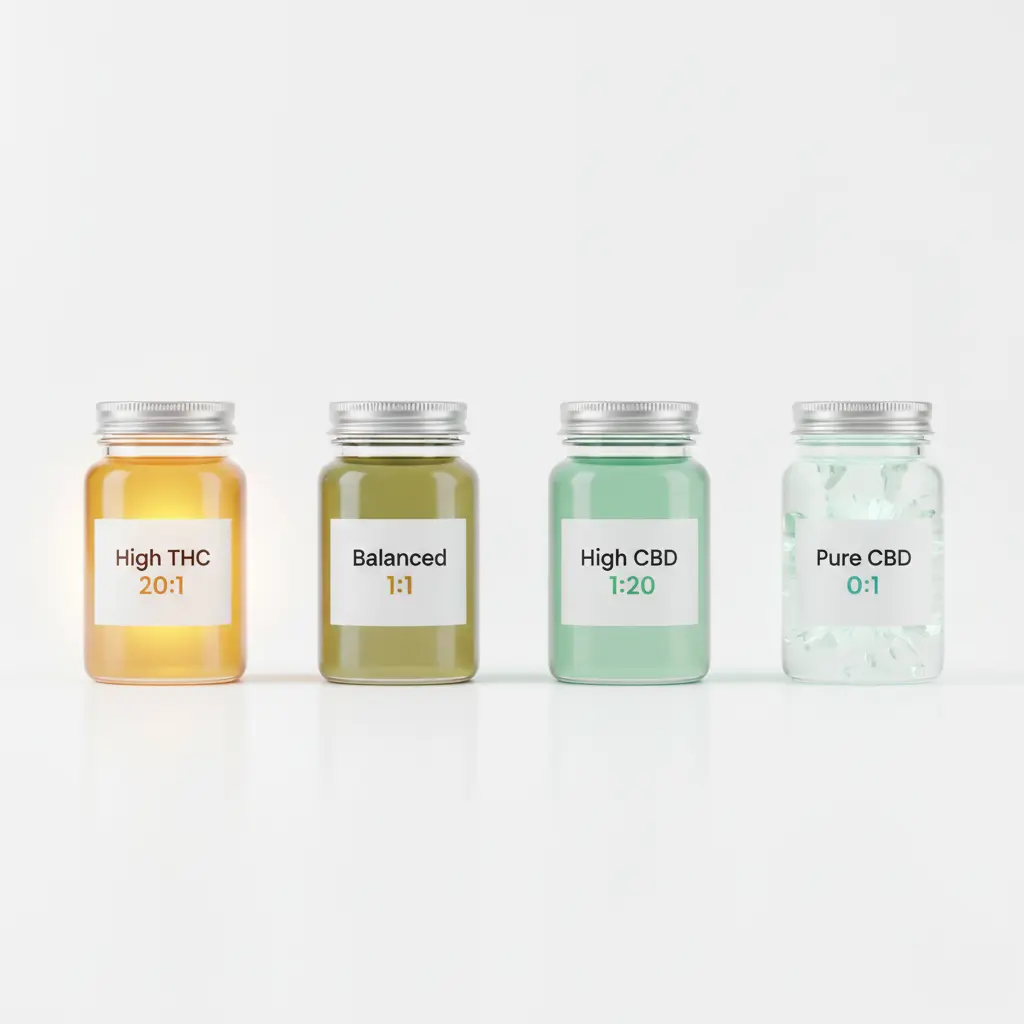
3. High-CBD Strains (1:4 Ratio or More)
- Example: 5% THC, 20% CBD
- Effect: Very mild, almost imperceptible psychoactivity
- For: Beginners, daytime use, therapeutic purposes
4. Pure CBD Strains (0:1 Ratio)
- Example: 0.3% THC, 18% CBD
- Effect: No psychoactivity, 100% therapeutic
- For: Any time of day, users who don’t want to get high
Consumption methods: Does anything change between CBD and THC?
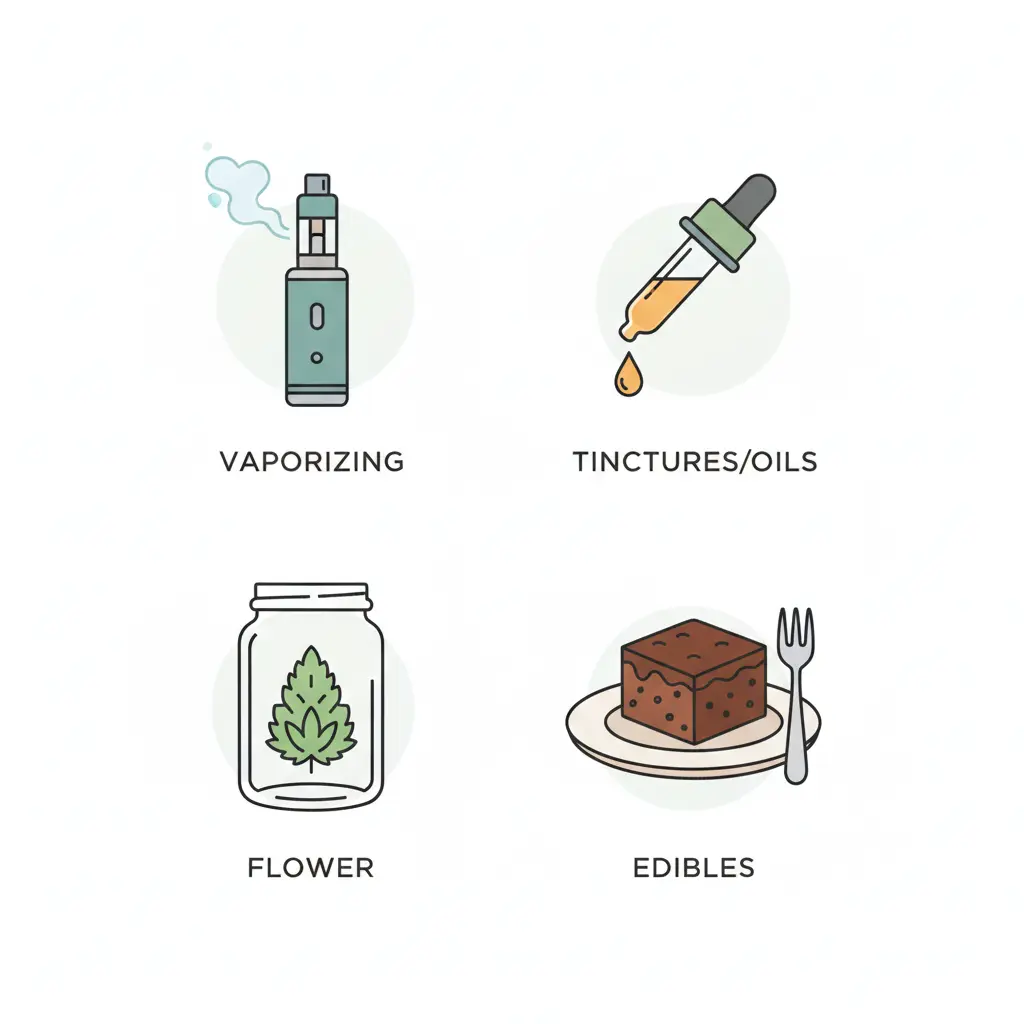
Both cannabinoids can be consumed in multiple ways, although effects will vary depending on the method:
Inhalation (Smoking or Vaporizing)
- Onset of effects: 2-5 minutes
- Duration: 2-4 hours
- Advantage: Immediate dose control
- Ideal for: Recreational use or quick relief
At Green City, we recommend vaporization over smoking, as it’s less harmful to your lungs and you make better use of the cannabinoids.
Edibles
- Onset of effects: 30-90 minutes
- Duration: 4-8 hours (much longer)
- Advantage: No lung effects
- Caution: Dose carefully, especially with THC
Oils and Tinctures
- Onset: 15-45 minutes (sublingual)
- Duration: 4-6 hours
- Advantage: Precise dosing
- Ideal for: Therapeutic CBD use
Topicals (Creams and Balms)
- Use: Usually CBD only
- Effect: Local, no psychoactivity
- For: Muscle pain, joint pain, skin inflammation
Safety and side effects
THC: What you should keep in mind
Common side effects:
- Dry mouth
- Red eyes
- Increased appetite
- Drowsiness
- At high doses: anxiety, paranoia
- Temporary short-term memory impairment
Important precautions ⚠️: Never drive under the effects of THC. Don’t mix with alcohol. If you have a history of anxiety or psychosis, consult first. Pregnant women should avoid it completely
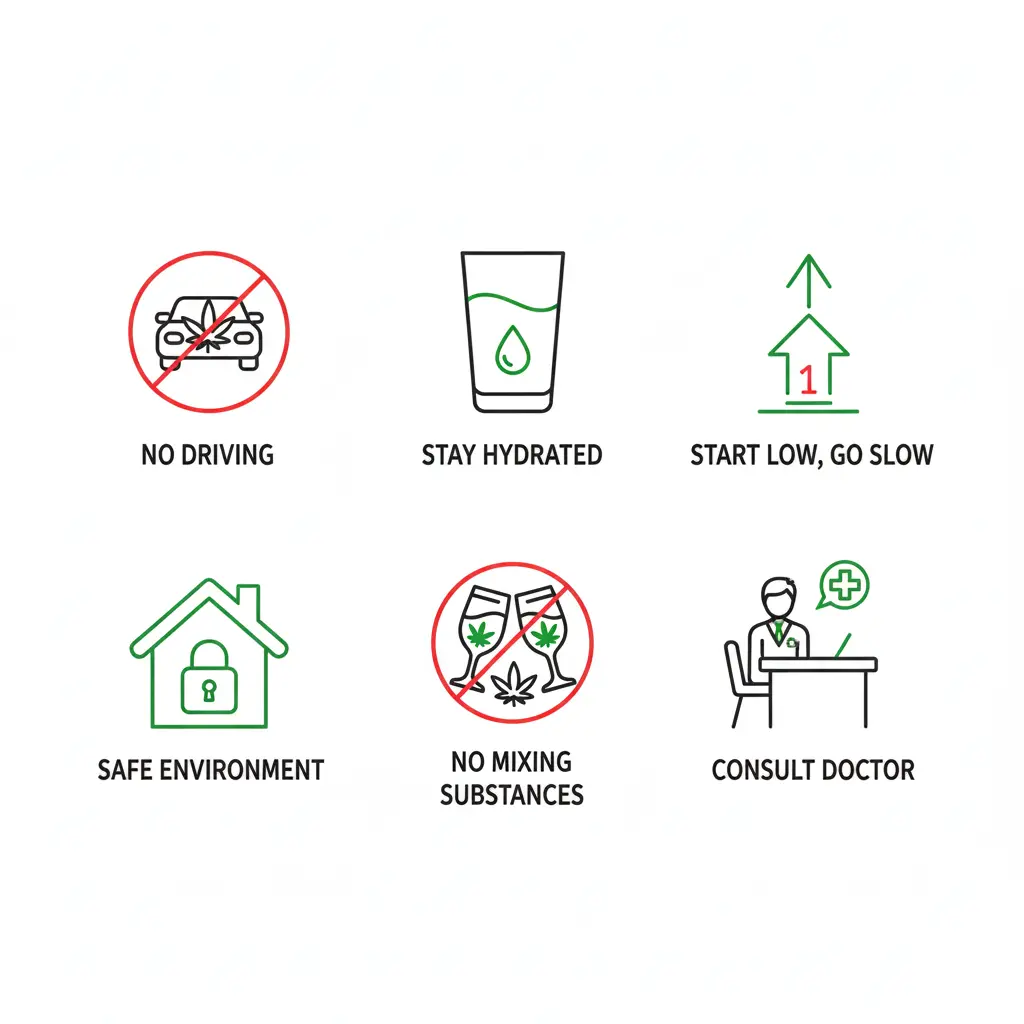
In our article about responsible consumption, we explain in detail how to avoid “greening out” and other unwanted effects.
CBD: Generally very safe
CBD has an excellent safety profile according to the World Health Organization (WHO). Side effects are rare and mild:
- Slight drowsiness (at very high doses)
- Possible interaction with certain medications
- Occasional dry mouth
Drug interactions:
If you take regular medication (especially anticoagulants, antiepileptics, or antidepressants), consult your doctor before using CBD therapeutically.
Legality in Spain: What does the law say?
CBD: Legal (With Nuances)
- CBD products derived from hemp with <0.3% THC are legal.
- Can be sold as cosmetics, supplements (not medicines).
- Personal consumption completely legal.
THC: Legal in Cannabis Social Clubs
- The CSC model allows shared self-consumption.
- Legal if you’re a member of a registered club.
- Consumption exclusively within club premises.
- Illegal to buy/sell on the street.
- Prohibited to consume in public spaces.
Being a member of a cannabis club like Green City is the legal and safe way to access THC strains in Seville, with total transparency and quality control.
Frequently Asked Questions from our members
Green City’s tips for choosing wisely
After more than a decade advising members, we’ve learned some important lessons:
1. Always start with balanced or high-CBD ratios
Especially if you’re new to cannabis. You can increase intensity, but decreasing it once you’re already high is impossible.
2. Know your THC tolerance
Consuming once a month isn’t the same as weekly. Your tolerance increases, and what used to “knock you out” might seem mild in a few months.
3. Consider the time of day
High-THC strains better at night. High-CBD strains perfect for any time.
4. Always ask
Our team at Green City is trained to advise you. There are no silly questions, and we’d rather you ask before having an uncomfortable experience.
5. Try in a safe environment
If you’re going to try a new high-THC strain, do it at the club or at home, never before an important social situation or when you need to drive.
Conclusion: There’s no better Cannabinoid, only the right one for you
The eternal question “CBD or THC?” doesn’t have a universal answer. Both cannabinoids have their place, their benefits, and their ideal moment.
What’s important is that you understand:
- THC is psychoactive, has therapeutic properties but alters your perception
- CBD is not psychoactive, offers benefits without the “high”
- Together they work better thanks to the entourage effect
- Your personal goal determines what CBD:THC ratio you need
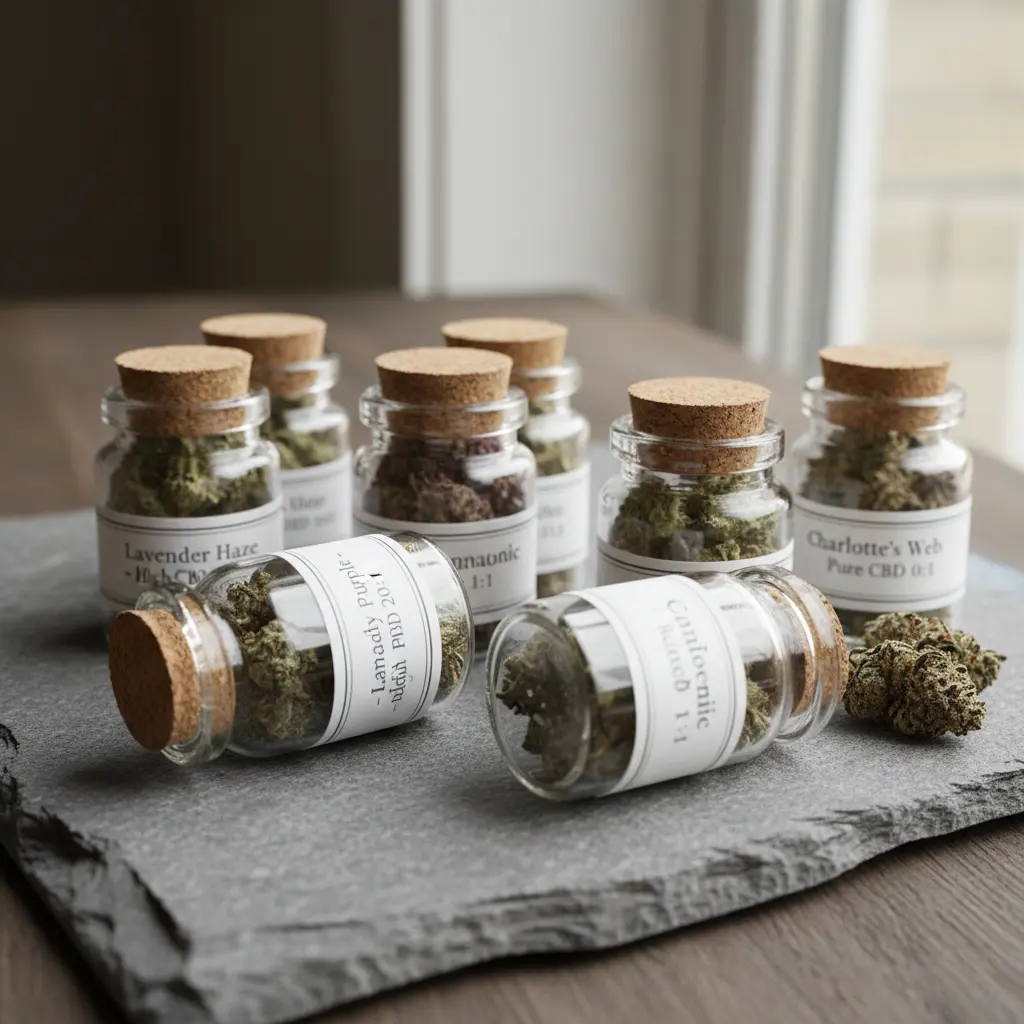
At Green City, the best cannabis club in Seville with over 10 years of experience, we understand that each member is unique. That’s why we maintain a diverse selection of strains with different cannabinoid profiles, so you always find the perfect option for what you’re looking for at each moment.
Have doubts about which strain to choose? Visit our facilities in the heart of Seville and our team will advise you personally. You can also check our article about the most popular strains at Green City to know what other members are choosing.
At the end of the day, knowledge is power. And the better you understand what you’re consuming, the more you can enjoy cannabis responsibly, safely, and satisfactorily.
Not a member yet? Discover how to become a Green City member and join our cannabis community in Seville.
Legal note: This content is purely informational and educational. It does not constitute medical advice. Always consult with a healthcare professional before using cannabis for therapeutic purposes.